
By Neil Mangum
Webmaster's Note: Mr. Mangum is a former
superintendent of the
Little Bighorn Battlefield and a current board member of Friends.
"Changing Faces of Last Stand Hill" was a slide presentation given by Mr.
Mangum at the Friends' second symposium --
"Little Bighorn: The Aftermath
and Development of an American Icon" -- held on June 23, 2002.
Mr. Mangum's
presentation consisted of many great photos which document the changes on Last Stand Hill over the years. We present the photos here, many
never before published until now. All photos courtesy of
Little Bighorn Battlefield National Monument unless otherwise noted. A
special thank you to John Doerner for gathering the photos.
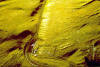
Last Stand Hill and Battle Ridge
Last Stand Hill is remembered for some of the final
moments in a battle
between Custer’s 7th Cavalry and the Lakota
and Cheyenne. With an elevation of just over 3,000 feet, it can appear as tall
as Mt Everest.
Unlike Everest, which seems to stand unchanged to
time, Last Stand Hill is always changing. From its summit, monuments have come and gone
along with various styles of fences and soldier markers.
This small hilltop has been photographed countless
times over the years. What follows are some of the best photos that
document the changes upon Last Stand Hill.
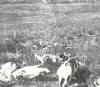
Photo by John H. Fouch,
courtesy of Dr. James Brust
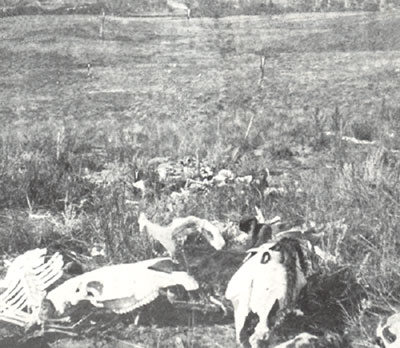
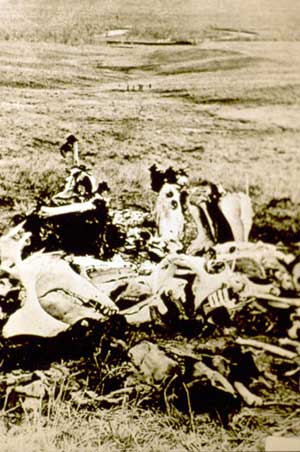
In 1877-1878, John Fouch photographed the earliest photos
during his stint as post photographer at Ft. Keogh. His photo of the
sun-bleached horse bones on Last Stand Hill still mesmerizes and shocks us
today. If you look
closely, you can see wooden stakes protruding from the earth; the first
markers for unknown soldiers of the Custer Battalion.
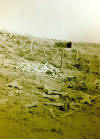
Morrow
Stanley
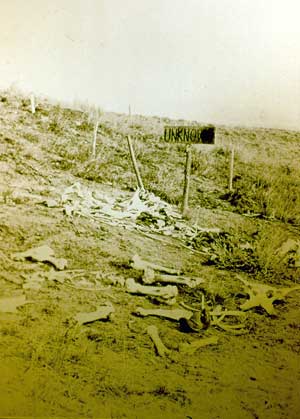
Morrow captured one of the most recognized early photos of the battlefield
during the
spring of 1879. The scene revealed a battlefield of horror
complete with human and horse remains still scattered over the area. A lone marker can be seen here that reads, “Unknown.” Most soldier
markers remain that way today, but one. Marker 33, along today's Deep
Ravine Trail, replaced "Unknown" with the name Mitch Bouyer. You can read more about this
marker at Mitch Bouyer.
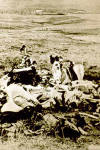
Morrow
The late
1870s witnessed great changes to Last Stand Hill. In 1879, Captain
George Sanderson and soldiers from Ft. Custer (near present day Hardin,
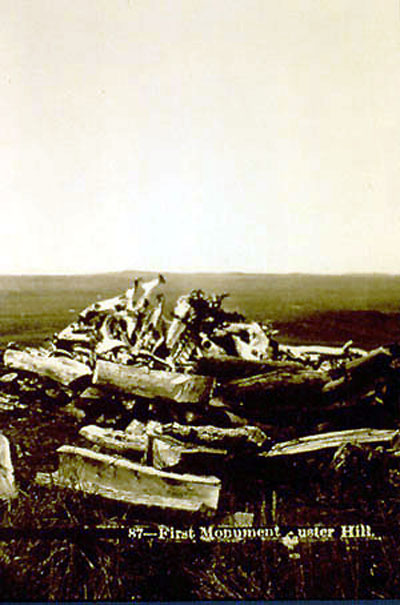
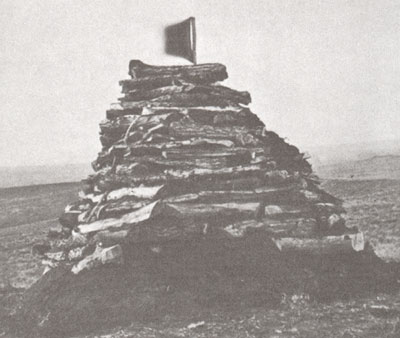
Montana) erected the first monument made of cordwood. The soldiers gathered
the horse bones and placed them inside the monument. Afterwards, the
battle site
was a bit more presentable.
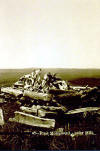
1879 -- Construction of the
cordwood monument. Note: Horse bones are visible inside the monument.
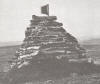
Completed Cordwood Monument 1879
In July
1881, Lt. Charles F. Roe and Company C, 2nd Cavalry placed the
7th Cavalry Monument on top of Last Stand Hill. This is the
same monument that still stands today. Transportation
of this monument was, needless to say, monumental! Weighing about 18 tons,
its three sections traveled by boat up the Erie
Canal and the Great Lakes and then by land via railroad to Bismarck. A
river steamer transported it up the Missouri and Yellowstone Rivers to the
mouth of the Big Horn River from where it traveled overland to Ft.
Custer.
As the granite monument was erected, Roe's soldiers gathered as many of the remains of
Custer's soldiers they could find and
placed them inside a mass grave that still sits today below the 7th
Cavalry
monument.
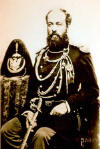
2nd Lt. Charles F. Roe
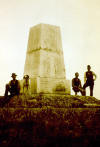
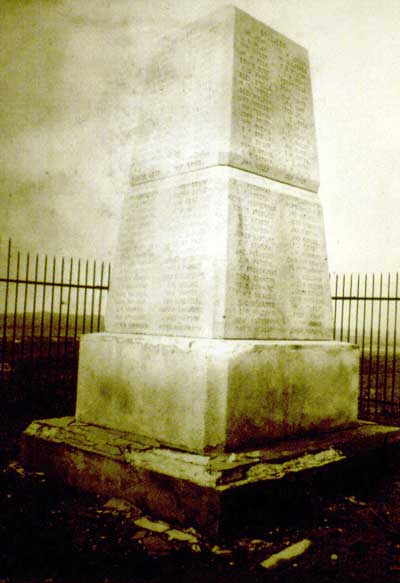
ca 1882 -– one of the earliest photos of
the monument.
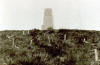
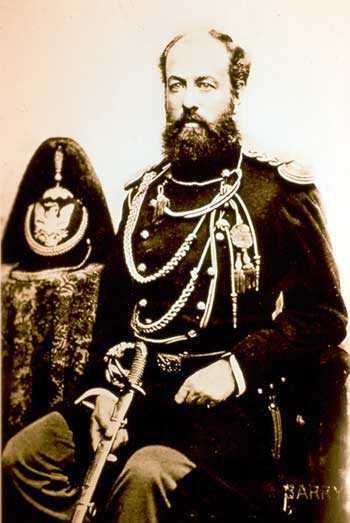
ca 1882 photo by D. F. Barry -–
wooden stakes are easily seen
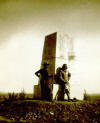
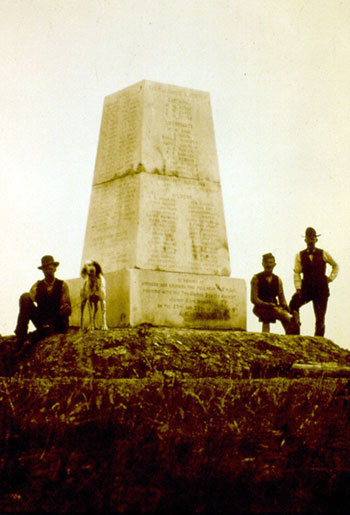
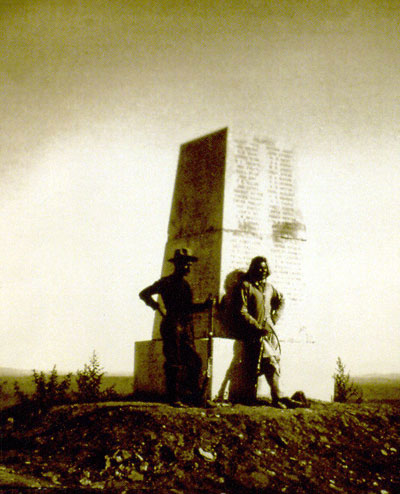
1882 photo by F. Jay Haynes-- Haynes
is man standing left and man on right
is Custer’s scout, Curley
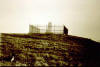
ca 1896 photo by Christian
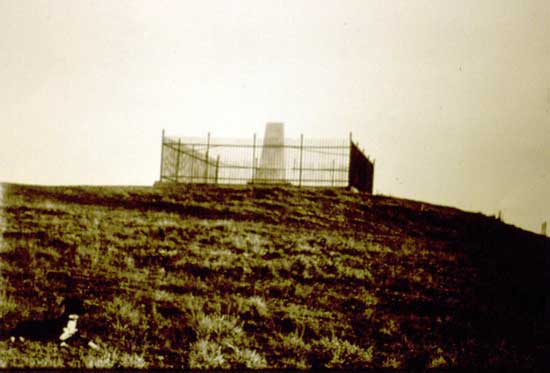
Barthelmess –- A fence has been installed around the Monument. Visitors chipped
away at the monument's surface for a keepsake. Notice the dog at lower left.
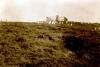
ca 1896 photo by Christian Barthelmess-- Similar shot to the one above. That dog sure liked posing
for photos!
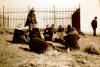
Date Unknown
In 1888, Last
Stand Hill would undergo its most dramatic change even through today.
Capt John French and soldiers of the 25th infantry from Ft.
Custer transferred the remains of Fetterman’s soldiers from Ft. Phil
Kearny to Last Stand Hill. French’s soldiers also replaced stakes to mark where
Custer's unknown soldiers
lay. They found four exposed remains and reburied them where they fell.
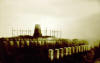
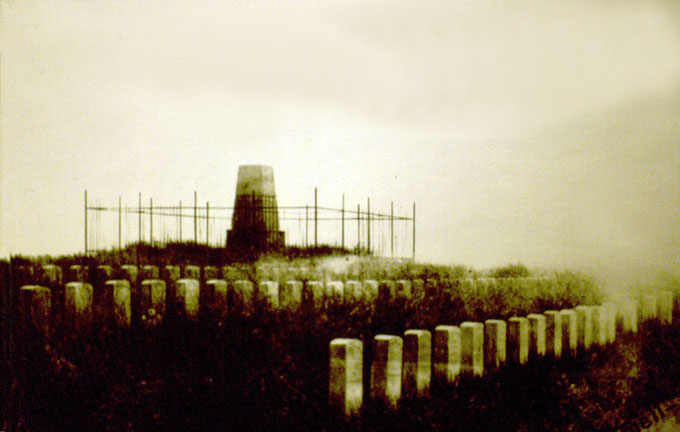
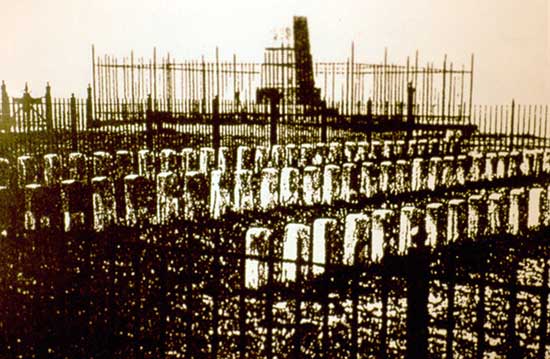
ca 1891 -– 7th Cavalry Monument
and the Fetterman soldiers
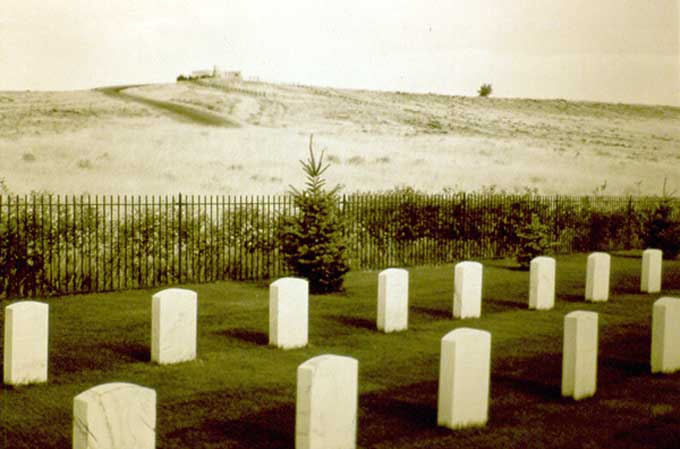
In April 1890, Capt. Owen Sweet and soldiers of the
25th Infantry took 10 days to replace the wooden stakes with white marble markers
that mark the locations where
officers and soldiers of Custer’s command fell during the battle.
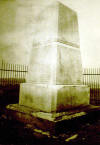
ca 1894 photo by H.R. Locke -– notice the damage
to the monument
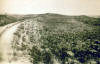
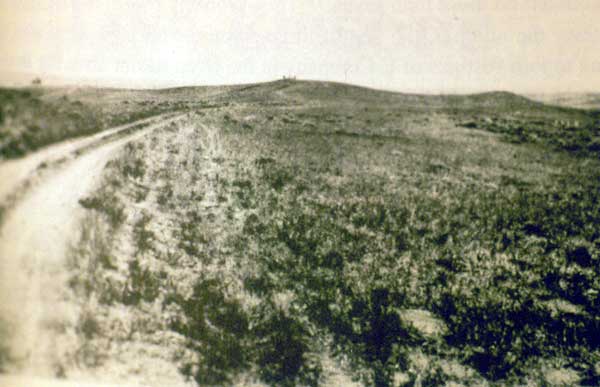
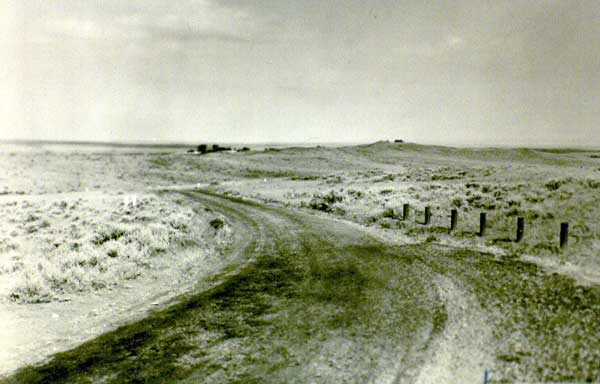
ca 1894 by H.R. Locke -– photo taken from
the wagon road on Battle Ridge looking toward Last Stand Hill top
center. Wooden Leg Hill can be seen at the far top right.
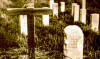
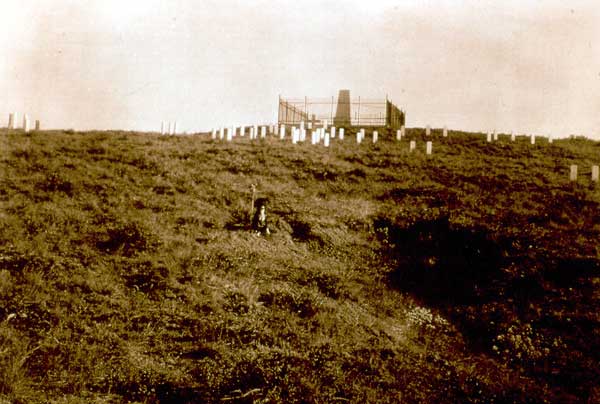
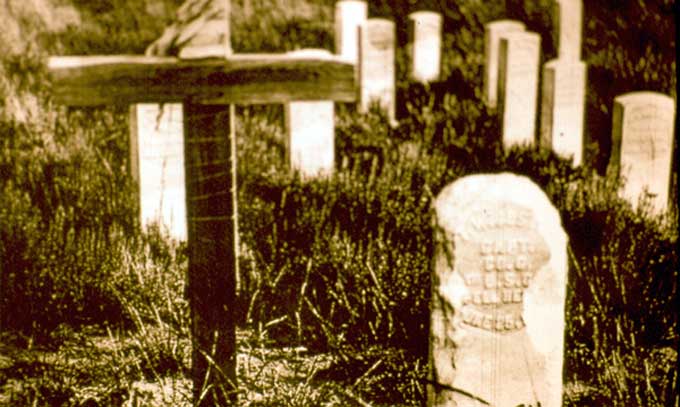
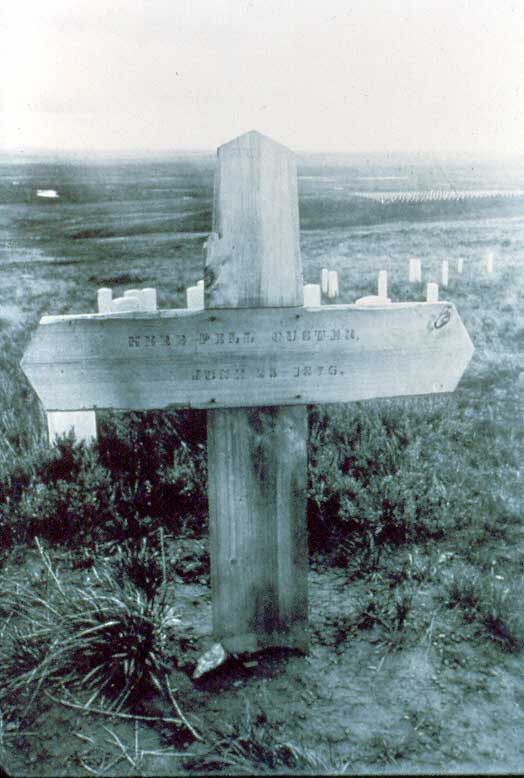
ca 1900 -– white marble markers. The wooden
cross is for Custer. To its right is the marker for his brother, Tom
Custer.
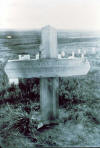
ca 1898 photo by Fred Miller -–
Custer’s cross.
The 20th century brought many changes to
Last Stand Hill and the battlefield. The Fetterman soldiers were
reinterred in the National Cemetery. The
U.S. Army graded the wagon road along Battle Ridge in 1938.
The National
Park Service (NPS) took over management from the U.S. Army in 1940. The NPS
graveled the road in 1941 but gave it a modern surface in 1954 allowing
the road to remain open the entire year. The first warrior
markers made of red granite were placed along Battle Ridge on Memorial Day
1999 for the warriors Lame White Man and Noisy Walking.
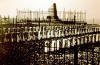
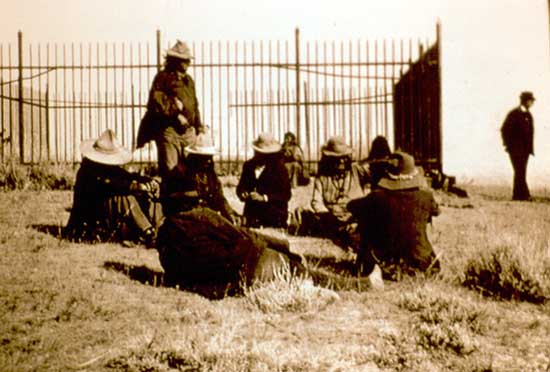
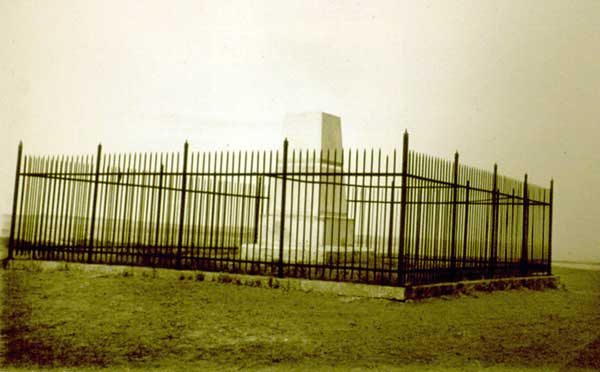
ca 1920 -- Notice there is a fence around
the Monument and the Fetterman soldiers
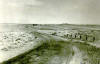
ca 1940 photo by Ken Roahen recent completion
of the road -- photo shot from Calhoun Hill loop looking toward Last Stand
Hill.
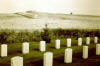
ca 1940 photo by Ken Roahen -- the Fetterman soldiers were
buried in this section of the Custer National Cemetery
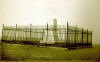
ca 1940 photo by Ken Roahen or ca 1931
by Col. Moore
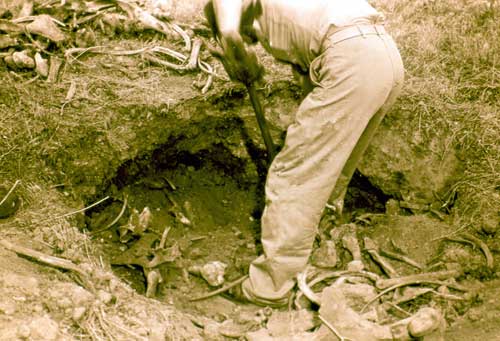
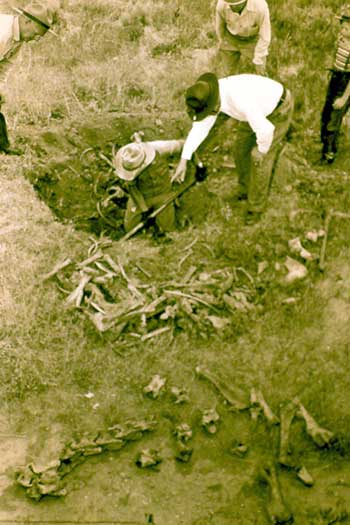
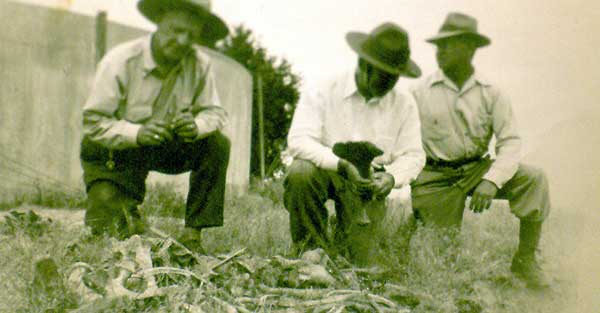
Just prior to W.W. II.,
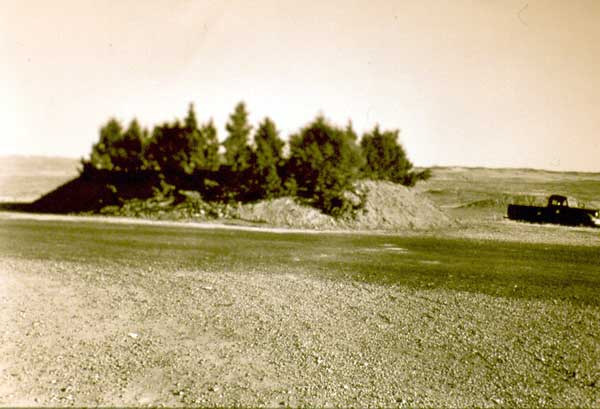
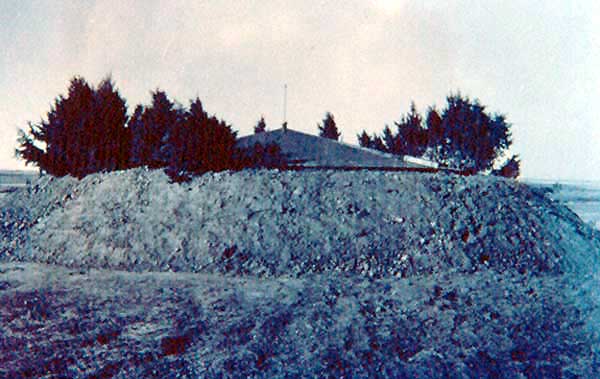
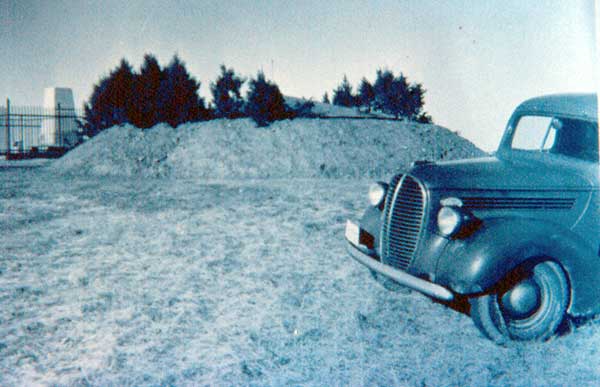
horses killed during the battle and later buried were discovered on Last Stand Hill. This discovery came while in the
process of laying pipe for the above-ground water tank. You can read more
about this discovery on our website.
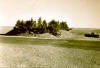
ca 1950s -– the water tank with planted
trees in attempts to obscure it.
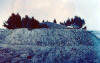
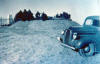
Water tank and Monument
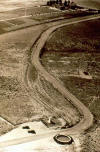
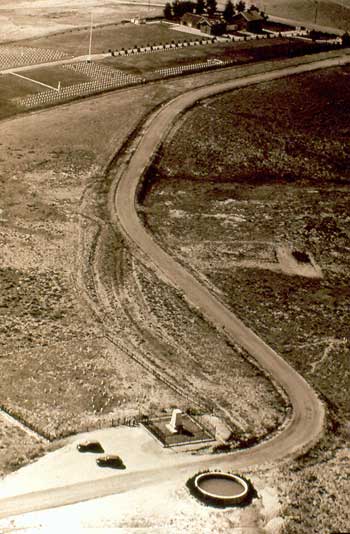
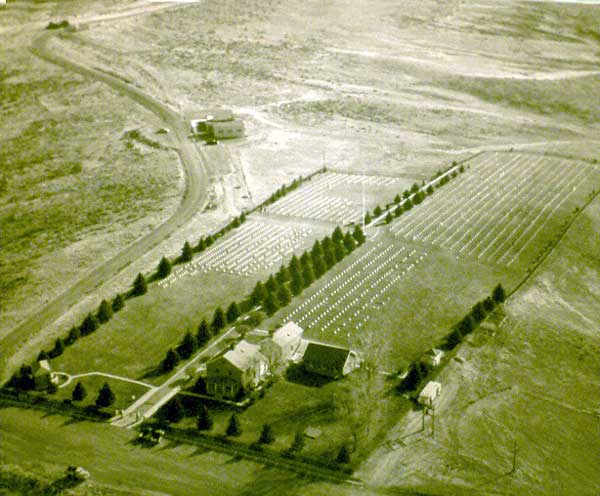
1941 photo by Charles Belden --
pictured are Last Stand Hill, the water tank with the trees planted
around it, the recently paved battlefield road, and the Custer National Cemetery with
recently planted trees. The first row of headstones on the left in the
cemetery are the Fetterman soldiers and Fort C.F. Smith Marker with path
leading to it. The clump of trees at the top are next to the Stone House.
Outside the frame of the photo above the Stone House is the original
entrance to the battlefield. Please note the broad open basin in
the center left of the photo and to the left of the road – this is the
location of the current visitor center.
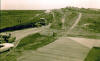
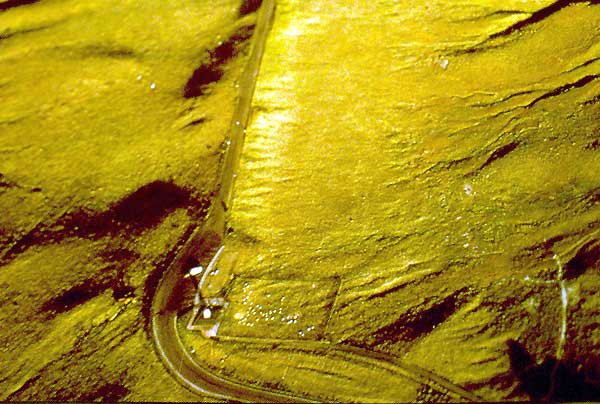
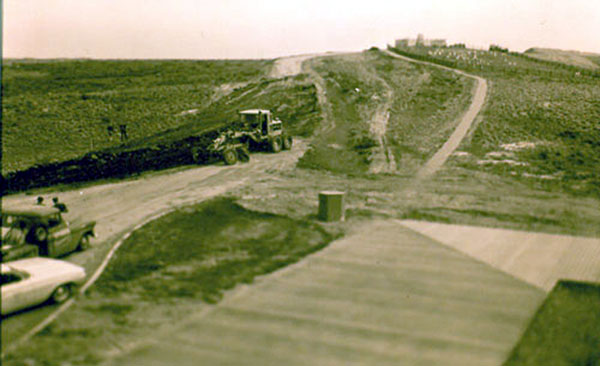
1951-52 construction of the visitor center
and its parking lot. Part of
the same project included the construction of the underground water tank
adjacent to Last Stand Hill -- seen at top right.
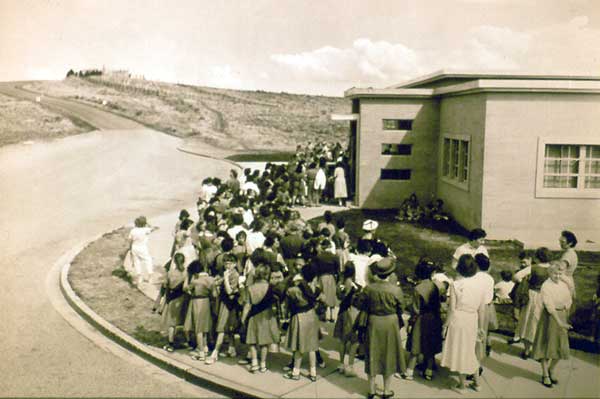
The new museum and visitor center was dedicated on
June 25, 1952.
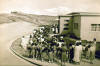
June 25, 1952 -- The new visitor center is
opened. Note trees around the water tank on Last Stand Hill
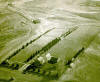
ca early 1950s -- Last Stand Hill is
seen top left. The visitor center is top-left-center. The two-story building
at bottom center is the Stone House. It was built in 1894 as the
Superintendent’s home. It was recently converted to the White Swan
Memorial Library which houses the Park Historian’s and Fees Collections
offices.
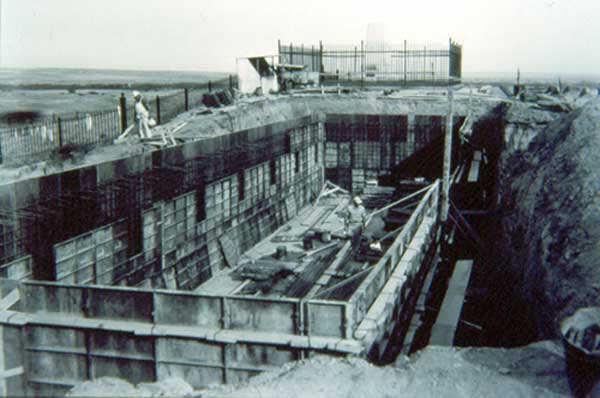
During the 1950s the above ground water tank was
replaced with a large 100K capacity underground water tank that is still
operational today.
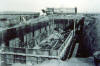
ca early 1960s -- construction of the
underground water tank. Monument inside fence and makers of Last Stand
Hill in the background.
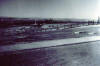
ca early 1950s -- site of completed
underground water tank
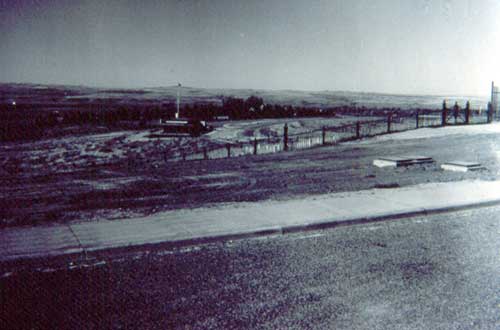
Eventually, the fence around the 7th
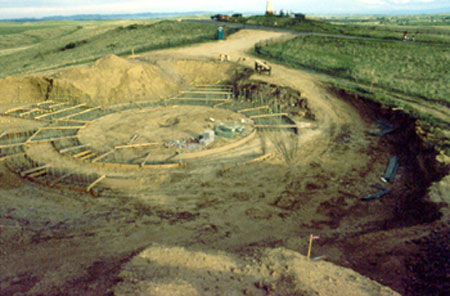
Cavalry Monument was removed. On April 23, 2002 construction began for the
first Indian Memorial placed on the battlefield. It stands 75 yards
northeast of Last Stand Hill. Its dedication was held on June 25, 2003.
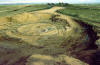
Construction of the Indian Memorial
We’ll make sure to cover future
changes to Last Stand Hill here at the Friends of the Little
Bighorn Battlefield’s website.
If you enjoyed this presentation, we hope that you
would consider joining our organization.
(Back
to Top)
|

 |
|